
Here's a quick experiment. Open your business's Instagram. Then open your website. Then open your Google Business Profile. Then your LinkedIn. Then the last WhatsApp broadcast you sent.
Do they feel like the same brand?
Or do they feel like five different agencies took five different briefs and pulled in five different directions?
If it's the second, and for 90% of businesses in Gujarat, it is, you're not just confusing customers. You're costing yourself revenue, rankings, and trust.
This blog breaks down exactly why every digital platform needs to be optimised and aligned, what happens when they're not, and how the smartest brands in Vadodara, Ahmedabad, and across India are building cohesive ecosystems that compound over time.
Pour the chai. This one matters.
What Does “Optimising and Aligning Digital Platforms” Actually Mean?
Let's get the definitions clean before we go deeper.
Optimising a digital platform means making it work as hard as possible for your business, through the right keywords, the right content, the right technical setup, and the right user experience. An optimised platform performs.
Aligning digital platforms means making sure every single one, website, Instagram, Facebook, LinkedIn, Google Business Profile, YouTube, WhatsApp Business, email, carries the same brand identity, tone of voice, visual language, and message.
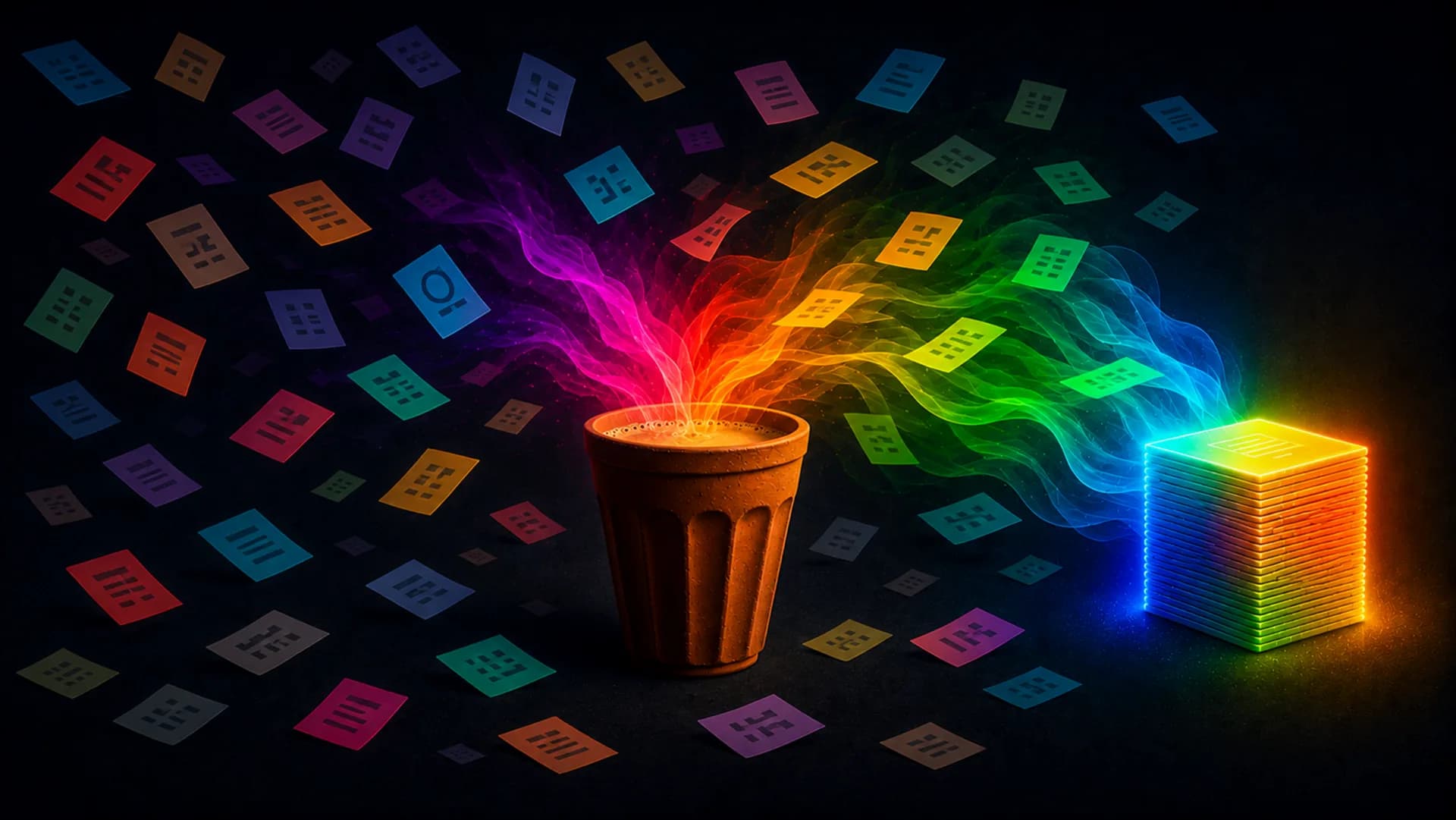
When you do both, you create something powerful: a digital ecosystem where every platform reinforces every other platform. A customer who finds you on Instagram, checks your Google reviews, lands on your website, and follows up on WhatsApp should feel like they're moving through one brand, not five disconnected accounts.
Why Most Businesses Get Digital Alignment Catastrophically Wrong
Here's the pattern we see across Gujarat, from small businesses in Vadodara to mid-sized D2C brands in Ahmedabad:
The Logo Is Different on Every Platform
The Instagram profile picture is the old logo. The website uses the new logo. The Google Business Profile uses a photo of the storefront. The LinkedIn page uses a stretched-out version with a different colour. Five platforms, five logos.
The Bio/Description Says Different Things
Instagram bio: “Luxury fashion for the modern woman.”
Website tagline: “Premium clothing brand in India.”
Google Business: “Clothing store in Vadodara.”
LinkedIn: “Manufacturer of garments since 2018.”
Same business. Four different identities. Which one is the customer supposed to believe?
The Tone of Voice Switches Every Platform
Instagram posts are witty and Gen Z. The website copy is formal and corporate. The LinkedIn page sounds like a 1995 brochure. The WhatsApp broadcasts read like a sales pitch from a relative.
A brand voice is supposed to be consistent, with adjustments for platform context, not five different personalities in a trench coat.
The Visual Identity Falls Apart Across Platforms
The Instagram grid is teal and minimalist. The website is maroon and cluttered. The Google Business photos are blurry phone shots. The LinkedIn banner is from 2021.
Customers don't consciously notice these things, but their trust quietly drops.
Each Platform Optimised in Isolation (or Not at All)
The website is “SEO optimised” but the Instagram bio has zero keywords. The Google Business Profile has 4 photos and no posts. The LinkedIn page hasn't been updated in 18 months. The WhatsApp Business catalogue is empty.
Each platform is treated as a checkbox, not a channel.
What It's Costing You (The Real Damage)
You think misalignment is a “nice to fix” problem. It's not. It's actively bleeding your business in five measurable ways.
1. Lower Conversion Rates
A customer who sees a beautiful Instagram ad and lands on a clunky, off-brand website experiences cognitive dissonance. The promise didn't match the product. They leave. Your CAC (customer acquisition cost) climbs. Your ROAS (return on ad spend) tanks.
2. Weaker Google Rankings and GMB Visibility
Google's algorithm rewards consistency and authority. If your business name, address, phone number, and category are slightly different on your website, Google Business Profile, JustDial, IndiaMART, and Facebook. Google trusts you less. Your local SEO suffers. Your Google Business Profile ranks lower in “near me” searches.
For a Vadodara business trying to rank #1 on “creative agency in Vadodara” or “branding agency near me”, misaligned platforms are a silent ranking killer.
3. Reduced Brand Recall
Brand recall is built through repetition of a consistent message. If your brand looks different every time a customer encounters it, the brain doesn't store it as one brand. It stores it as five vague impressions. Six months later, they remember nothing.
4. Lost Trust (The Most Expensive Loss)
Inconsistency reads as unprofessionalism. Customers may not articulate it, but they feel it. And in industries like luxury, real estate, F&B, and finance, where trust is the entire transaction, this is fatal.
5. Wasted Marketing Spend
Every rupee you spend on Meta Ads, Google Ads, or influencer marketing leaks out if the destination platforms aren't aligned. You're paying to send traffic into a leaky funnel. The fix isn't more spend. It's a tighter ecosystem.
The 7 Digital Platforms Every Business Must Optimise and Align
Let's get tactical. Here's the core stack, and what optimised + aligned looks like for each.
1. Website (The Hub)
Your website is your home base. Every other platform should point here.
Optimise for:
- Page speed (under 3 seconds load time)
- Mobile responsiveness (70%+ of Indian traffic is mobile)
- On-page SEO (title tags, meta descriptions, schema markup)
- Clear navigation and conversion paths
- High-quality content that targets your priority keywords
- HTTPS, sitemap, robots.txt
- Local SEO signals (address, NAP consistency, location pages)
Align for:
- Same logo, colours, fonts as all other platforms
- Same tone of voice
- Same brand promise reflected in headlines and CTAs
2. Google Business Profile (The Local SEO Powerhouse)
If you're a local business in Vadodara, Ahmedabad, Surat, or anywhere in Gujarat, your Google Business Profile is the single highest-ROI platform you own. And most businesses neglect it.
Optimise for:
- 100% complete profile (every field filled)
- Correct primary and secondary categories
- High-resolution photos (interior, exterior, team, products), minimum 20
- Weekly Google Posts (offers, updates, events)
- Consistent NAP (Name, Address, Phone) matching your website exactly
- Active review collection and response (within 24 hours)
- Q&A section actively managed
- Service/product listings filled out
Align for:
- Same business name as legal/branded name on website
- Same logo/cover photo styling as other platforms
- Description tone matching brand voice
3. Instagram (The Visual Storyteller)
For most B2C and lifestyle brands in Gujarat, Instagram is where brand perception is formed.
Optimise for:
- Keyword-rich bio
- Searchable name field (e.g., “Createawity | Creative Agency Vadodara”)
- Active Stories and Highlights (organised by category)
- Reels (the algorithm strongly favours them)
- Consistent posting cadence
- Geo-tagged posts for local discovery
- Link in bio with a smart landing page (Linktree, Beacons, or custom)
Align for:
- Same visual identity (colours, fonts, photo style)
- Same brand voice in captions
- Same logo as profile picture
4. LinkedIn (The B2B Trust Builder)
If you serve other businesses, agencies, real estate, B2B services, professional services. LinkedIn is non-negotiable.
Optimise for:
- Complete company page with banner, logo, About section
- Keyword-rich tagline and About
- Regular content from leadership (founder, MD, partners)
- Employee advocacy (team members tagged to the company)
- Industry-specific posts and thought leadership
Align for:
- Same logo and banner system as other platforms
- Slightly more professional tone, but recognisably your brand
- Same brand promise, different framing
5. Facebook (Still Relevant, Don't Sleep on It)
For Tier 2/Tier 3 audiences in Gujarat and India, Facebook is still massive.
Optimise for:
- Complete page with cover, logo, services
- WhatsApp/Messenger integration
- Regular posts (3–5x/week)
- Reviews and recommendations enabled
- Facebook Shop if you're e-commerce
Align for:
- Same brand visuals and voice
- Same offers/promotions running on Instagram
6. WhatsApp Business (The Conversion Channel)
In India, WhatsApp is where deals close. Most businesses treat it as an afterthought.
Optimise for:
- Complete WhatsApp Business profile (logo, description, hours, address)
- Catalogue with products/services
- Automated greeting and away messages
- Quick replies for common questions
- Broadcast lists (segmented by customer type)
Align for:
- Same logo and brand description
- Same tone in automated messages and broadcasts
7. YouTube (The Long-Form Authority Builder)
Underused by Indian SMBs. YouTube videos rank on Google. Long-form video builds deep brand trust.
Optimise for:
- Branded channel art
- Keyword-optimised video titles, descriptions, tags
- Playlists organised by topic
- Custom thumbnails (consistent style)
- End screens and cards driving to website
Align for:
- Same visual identity as Instagram and website
- Same brand voice in scripts and video copy
How to Actually Build an Aligned Digital Ecosystem (Step by Step)
Here's the framework we use at Createawity when we onboard a new client.
Step 1: Audit Every Platform
List every digital platform where your brand exists. Including the ones you forgot, old Twitter accounts, defunct LinkedIn pages, an abandoned YouTube channel. Audit each one for: logo, bio, description, tone, last activity, and consistency.
Step 2: Define the Brand Foundation
Before fixing platforms, fix the source code, your brand identity. Lock down:
- Logo and logo variations
- Colour palette (primary + secondary)
- Typography system
- Tone of voice guidelines
- Brand tagline and one-line description
- Key messaging pillars (3–5 things your brand always talks about)
Step 3: Build a Platform-Specific Style Sheet
For each platform, document: image sizes, post templates, caption style, hashtag strategy, posting cadence, and content pillars. This is your brand bible for digital.
Step 4: Update Every Platform in a Coordinated Sprint
Don't trickle the update. Do it in a single 2-week sprint, refresh logos, bios, banners, descriptions, and pinned content everywhere at once. Customers should experience the new brand consistently from day one.
Step 5: Build a Content Calendar That Cross-Pollinates
Your blog post becomes 5 Instagram carousels, 3 LinkedIn posts, 2 Reels, 1 YouTube short, 1 WhatsApp broadcast, and 1 Google Business Post. One piece of strategic content, seven aligned outputs.
Step 6: Measure and Refine Quarterly
Track platform-level metrics, but also track ecosystem-level metrics: branded search volume, direct website traffic, social-to-website conversion rate, GMB call volume. If your ecosystem is aligned, all of these compound over time.
A Real Example: What Aligned Looks Like vs Misaligned
Misaligned brand (a luxury fashion business in Vadodara):
- Instagram: trendy, English-only, Gen Z aesthetic
- Website: outdated, slow, Hindi-English mix, corporate tone
- Google Business: no photos, no posts, 3.8 rating, unanswered reviews
- WhatsApp: instant replies in broken English
- LinkedIn: hasn't posted in 2 years
Result: Customers love the Instagram, click through to the website, lose confidence, drop off. Brand grows slowly despite good content.
Aligned brand (after a 90-day rebuild):
- Same logo, same gold-and-cream palette, same elegant serif typography across all platforms
- Tone: refined, warm, slightly poetic, adjusted for platform context but unmistakably one voice
- Google Business: 50+ photos, weekly posts, 4.7 rating, every review responded to
- WhatsApp: branded catalogue, automated greeting in brand voice
- LinkedIn: founder posting weekly about craft, heritage, and design philosophy
Result: Branded search volume up 240%. Direct website traffic up 180%. CAC drops by 35%. The brand starts compounding.
Same business. Same products. Different ecosystem.
How Createawity Builds Aligned Digital Ecosystems
At Createawity, we don't think in platforms. We think in ecosystems.
Our approach:
- Brand audit across every existing digital touchpoint
- Foundation reset, locking the identity, voice, and visual system
- Platform-by-platform optimisation with SEO, content, and creative
- Cross-platform content engine, one strategy, multi-channel execution
- Ongoing management and quarterly refinement
We work with brands across Vadodara, Ahmedabad, and beyond, luxury real estate, F&B, fashion, interiors, D2C, B2B, to build digital ecosystems that don't just look good, but work together.
The Bottom Line
In 2026, no single digital platform builds a brand by itself. Instagram alone won't do it. A pretty website alone won't do it. Google Ads alone definitely won't do it.
What builds a brand is alignment, every platform speaking the same language, reinforcing the same promise, optimised for its own role in the customer journey.
If your platforms aren't aligned, you're not just losing efficiency. You're losing the compounding effect that turns marketing spend into brand equity.
The fix isn't more spend. The fix is alignment.
Frequently Asked Questions
For most local businesses in Vadodara, the Google Business Profile is the highest-ROI platform, it directly drives “near me” searches, calls, and footfall. Pair it with an optimised website and active Instagram for maximum impact.
Profile information (bio, descriptions, banners) should be refreshed quarterly. Content should be posted weekly at minimum across active platforms. Google Business Posts should go up at least once a week.
No. Be on every platform your customers actively use, and ignore the rest. For most Gujarat-based B2C businesses, that's website + Google Business + Instagram + WhatsApp Business + Facebook. For B2B, swap Facebook for LinkedIn.
A foundational alignment sprint typically takes 6–10 weeks. Ongoing optimisation is forever.
Createawity is a Vadodara-based digital marketing agency that builds and aligns complete digital ecosystems, brand, website, social, SEO, ads, and beyond, for clients across Gujarat and India.
Let's Talk Over Tea.
If your digital platforms are feeling more like a patchwork than a strategy, let's fix that. One brand, one voice, one ecosystem.